
Podcast Audio Quality vs. Content: What Matters More?
Podcast audio quality and content quality aren't competing priorities, they're complementary. Audio quality acts as a floor that determines whether listeners stay long enough to engage with your ideas.
Content quality is what retains listeners over time and drives long-term growth. Poor audio creates an invisible barrier that no amount of strong content fully compensates for. Successful podcasters address both progressively, starting with a quiet room and reliable microphone, then improving content depth and editing systematically.
Every podcaster eventually faces the same internal debate. You've spent hours crafting a compelling episode, but you're still recording into a USB microphone in an untreated room, hoping the quality is good enough.
Meanwhile, another show with half the insight and twice the production budget seems to be growing faster. So which one actually matters more, podcast audio quality or the strength of your content?
The honest answer is that the question itself is a trap. Framing audio quality and content as opposites misses the point entirely.
The reality is more nuanced, and understanding where each element fits in your growth strategy will save you time, money, and a great deal of frustration.
This article breaks down what audio quality actually means for listener retention, how far good content alone can carry a podcast, and where the right balance sits for creators at every stage of their journey.
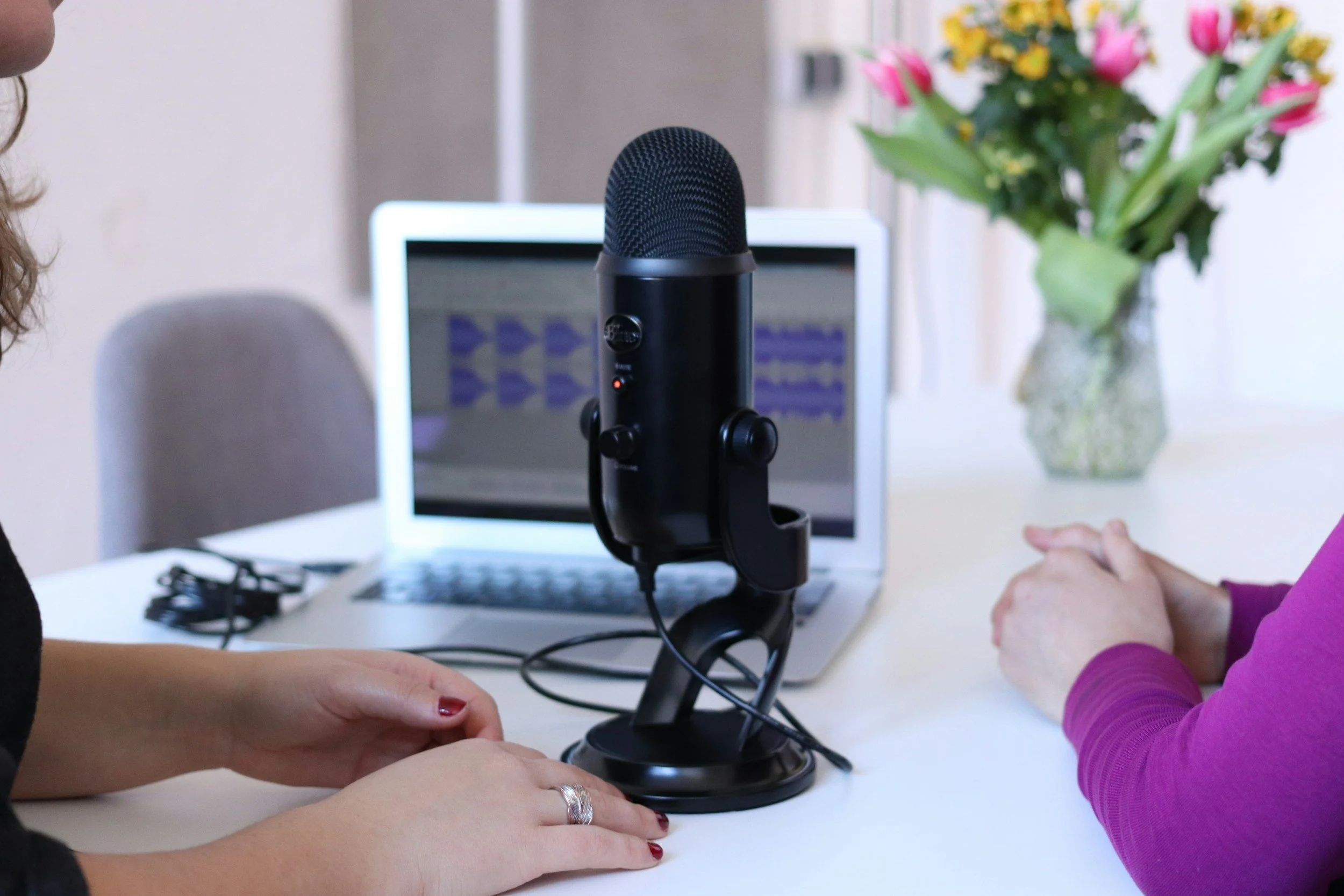
Table of Contents
Why Audio Quality Matters More Than Most Creators Think
Sound quality is the first thing a listener judges, often before they've processed a single word of your content. This happens unconsciously. When audio quality is poor, when there's persistent background noise, heavy echo, or a muffled microphone, the brain works harder to extract meaning. That cognitive load accumulates quickly, and listeners leave.
This is not a matter of preference. It's listener comfort, and it's one of the primary reasons new podcasts fail to retain listeners beyond the first episode.
Poor audio quality creates an invisible barrier between your voice and your audience, and no amount of brilliant content fully compensates for it.
Audio engineers understand this well. A recording that fatigues the ear doesn't just underperform, it actively drives listeners away. And in a world with so many podcasts competing for attention, a bad first impression is rarely given a second chance.
What Good Audio Quality Actually Requires
Achieving quality audio doesn't require a professional studio. It requires understanding your recording environment and making the right decisions within it.
The single most impactful improvement most podcasters can make is addressing their recording space. Background noise and echo are the two most common offenders, and both are largely environmental. Recording in a quiet room with soft furnishings like curtains, sofas, carpets, bookshelves, naturally reduces echo and dampens ambient noise.
These materials absorb sound rather than reflect it, which translates directly into a cleaner, more professional sound without expensive acoustic treatment.
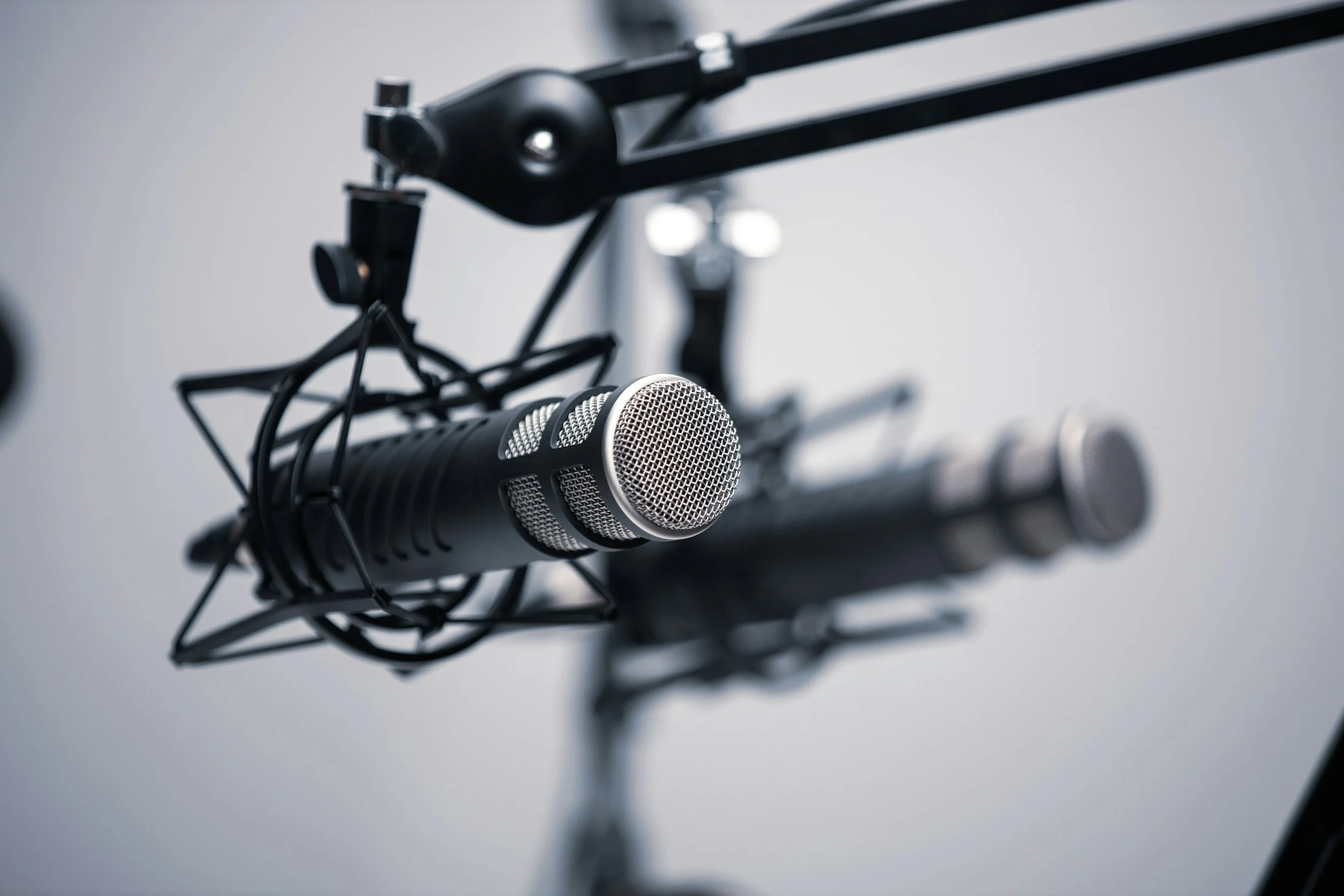
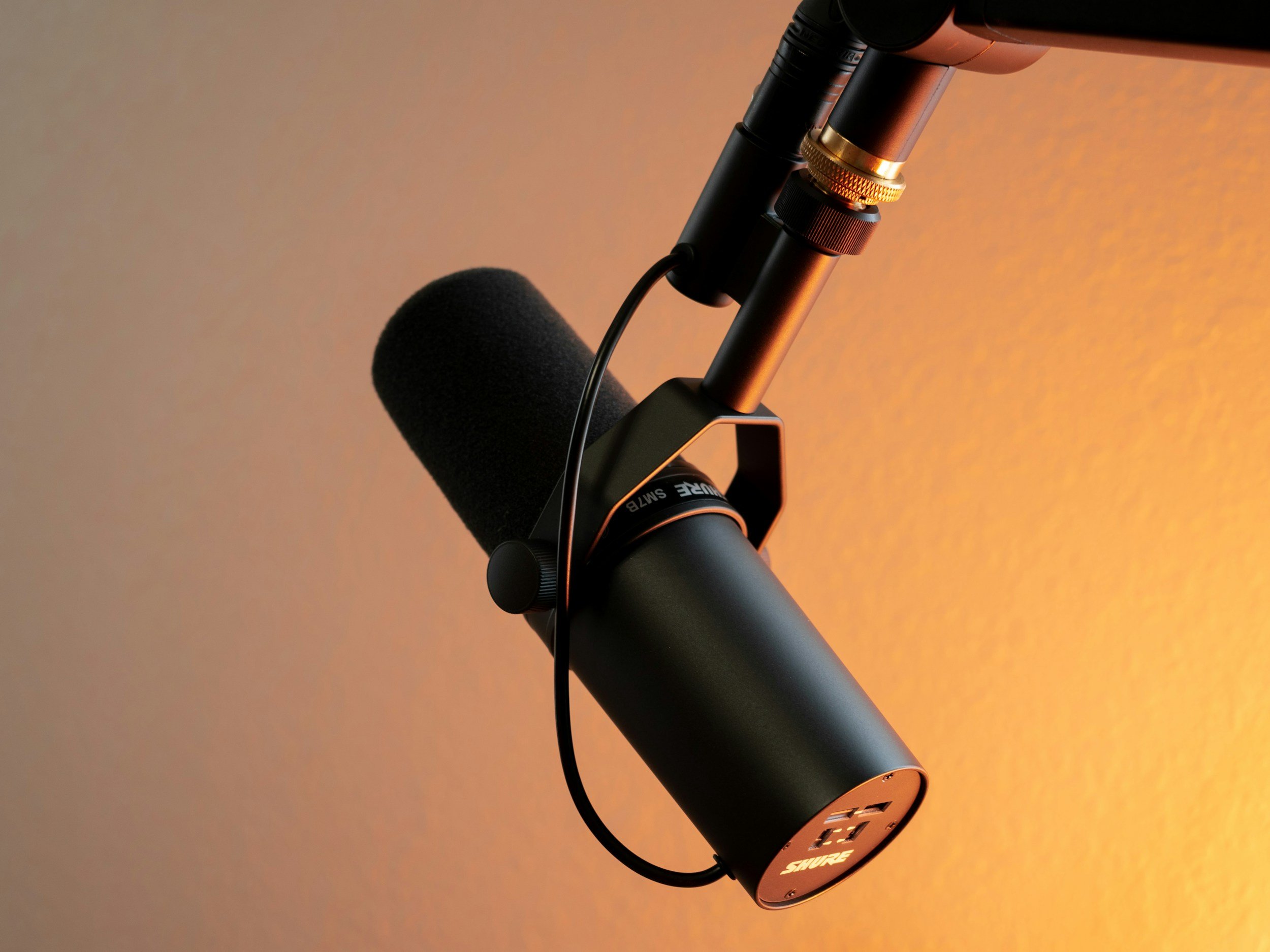
Once the environment is under control, the microphone becomes the next priority. A dynamic microphone is generally the better choice for untreated rooms because it captures sound in a tighter pattern and rejects more background noise than a condenser alternative.
Audio-Technica produces well-regarded dynamic microphones that deliver high quality audio at an accessible price point, making them a practical starting point for podcasters serious about improving their sound quality without overcomplicating the setup.
A pop filter reduces plosives, those sharp bursts of air on hard consonants that cause unpleasant spikes in recording. Positioning matters too. Speaking across the microphone rather than directly into it helps reduce plosives further and tends to produce a warmer, more consistent voice.
Whether you use a USB microphone or one connected through an audio interface depends on your setup and budget. A dedicated audio interface gives you more control over gain and signal quality, which becomes increasingly important as your podcast grows and your standards rise.
The Role of Editing and Post Production
Recording quality audio is only part of the equation. Post production shapes the final listening experience in ways that recording alone cannot.
Podcast editing removes the obvious problems like long pauses, stumbled words, and distracting background noise. But, good editing does something more important. It controls the pace of an episode, maintains energy, and ensures the listener stays engaged from one segment to the next. Editing is not about perfection. It's about removing friction.
For podcasters handling remote interviews, the recording environment on both sides of the conversation becomes critical.
Tools like Riverside.fm are built specifically for this challenge. Riverside records each participant locally rather than relying on a compressed internet connection, which means the final audio quality from each speaker is captured at full fidelity.
For a podcast where interview quality is central to the listener experience, this kind of infrastructure makes a measurable difference in the finished episode.
Why Content Is Still the Foundation
With all of that said, good audio quality is a floor, not a ceiling. It creates the conditions for growth, but it does not cause it.
Content quality is what retains listeners over time. A show with polished audio and shallow ideas will attract new listeners but struggle to keep them. People subscribe because a podcast gives them something they value, like insight, entertainment, education, or a unique perspective they can't find elsewhere. That value comes from content, not from a clean recording chain.
The vast majority of podcasts that have built loyal audiences did so through the strength of their ideas and the consistency of their delivery, not through technical perfection. This is particularly true in the early stages, when building a habit of creating and publishing matters far more than achieving a professional sound.
Great audio without great content is a well-produced empty room. But great content delivered through poor audio is a message that struggles to reach the people it was made for.
Where Background Music Fits In
Music plays a supporting role in podcast production that is often underestimated. A well-chosen intro track, a transition piece, or an outro sets tone, signals structure, and gives a show a sense of identity.
The challenge for most podcasters is licensing. Using commercial tracks without clearing the rights creates legal exposure, and the process of licensing mainstream music individually is both complex and expensive.
Epidemic Sound offers a practical solution for podcasters at this level.
Their catalog of royalty-free music is designed specifically for content creators, covering a wide range of moods and genres, and their licensing covers podcast distribution without additional fees or claims. It's the kind of tool that removes a background concern entirely so creators can focus on the work.
Listener Retention: The Real Measure
Retention is where audio quality and content quality intersect most clearly. A listener who stays through an entire episode is not just a passive number, they're a signal that everything worked. The audio didn't exhaust them, the content rewarded their attention, and the episode delivered on its promise.
To retain listeners consistently, both elements must be present. Poor audio quality will cause listeners to leave regardless of the content inside. Weak content will cause them to leave regardless of how polished the production sounds. Growth comes from channels where both are managed with intention.
The podcasters who grow consistently are rarely the ones with the best equipment. They are the ones who understand their recording environment, record with the right equipment for their situation, invest in podcast editing that respects the listener's time, and consistently deliver content that earns a return visit.
Building a Setup That Scales With You
The goal at any stage of podcasting is to remove the friction that stops listeners from engaging with your ideas. That starts with a quiet room, a reliable microphone, and a consistent approach to editing. It grows into a more refined recording environment, better tools, and a clearer content strategy.
Wearing headphones during recording helps you hear what your microphone hears, which is often revelatory for new podcasters. Many assume their recording sounds clean until they listen back and discover background noise or proximity issues that the ear filters out in the moment.
As your podcast grows, the standards you hold for your audio quality should grow with it. What's acceptable at ten episodes should be improved upon by fifty. Not through constant equipment upgrades, but through better technique, a more considered recording space, and a tighter post production process.
The right balance is not a fixed point. It shifts as your audience grows, your skills develop, and your understanding of what your listeners need deepens.
Final Thoughts
Podcast audio quality and content quality are not competing priorities. They are complementary ones. Good sound quality creates the conditions for your content to be heard. Strong content gives listeners a reason to keep coming back.
The shows that grow in the long run are the ones that treat both seriously, not simultaneously at the highest level, but progressively and with intention. Start by removing the worst audio problems. Build your content with focus. Improve one at a time as your resources allow.
Audio quality matters. Content matters more. But in reality, neither matters fully without the other.
Frequently Asked Questions
-
It does, and it's a distinction worth understanding. Conversational or interview-based podcasts tend to be more forgiving of minor audio imperfections because the energy of the exchange holds attention. Narrative or documentary-style podcasts, where the listening experience is more cinematic and immersive, demand a higher baseline of sound quality because the format itself draws the listener into the audio. Solo podcasts sit somewhere in between — the absence of another voice means the microphone and recording environment carry more of the work.
-
In most cases, yes. A high-end microphone placed in a poor recording environment will still produce a poor recording. Treating the room first — or at minimum choosing a better recording space — gives any microphone, even an entry-level one, a better chance of producing clean audio. Once the environment is controlled, upgrading the microphone becomes a meaningful investment rather than an expensive one that yields disappointing results.
-
This is something many podcasters overlook entirely. A significant portion of listeners consume podcasts through earbuds or headphones, which makes imperfections in recording far more audible than they would be through a phone speaker. Background noise, mouth sounds, and room echo become noticeably more pronounced in that listening environment. It's worth mixing and reviewing your episodes through headphones as well as speakers to understand how your audience is actually experiencing the sound.
-
For many podcasters, the answer shifts as the show grows. In the early stages, learning to edit your own audio builds a genuine understanding of what good production sounds like and where problems originate. Over time, however, editing becomes one of the most time-consuming parts of the production process. Outsourcing it to a professional editor frees up creative bandwidth and often results in a more consistent final product, particularly for podcasters who struggle to be objective about their own recordings.
-
To a degree, but not reliably. Compression and EQ are tools for shaping and refining audio that is already reasonably clean, not for rescuing recordings that have significant background noise, heavy reverb, or clipping. Software can reduce some problems, but it often introduces new ones in the process — over-compressed audio can sound unnatural and fatiguing to listen to over an extended episode. Prevention at the recording stage will always produce better results than correction in post.
-
There is no universal rule, but launching with three episodes rather than one gives new listeners something to explore immediately after discovering the show. A single episode offers no sense of what the podcast is or whether it delivers consistently. Three episodes allow a new listener to understand the format, the tone, and the value proposition before deciding whether to subscribe. After that, the focus should be on maintaining consistency rather than stockpiling a large back catalogue before going public.

Red 11 Media is an educational platform and creative studio focused on driving growth online through strategic content creation. We help creators, brands, and businesses understand how to build sustainable audiences across YouTube, podcasting, and long-form digital content.