Best Podcast Recording Software for 2026
Choosing the best podcast recording software is one of the most important decisions you will make on your podcasting journey.
The right recording software shapes every episode you produce, from the audio fidelity of your raw recordings to how easy it is to edit podcasts afterward and how smoothly the whole podcasting process fits into your life.
This listicle covers the best podcast recording software available in 2026, from dedicated podcast recording apps built for remote interviews to full digital audio workstation tools used by professional audio engineers.
Whether you are just starting out or looking to upgrade your current stack, these software tools are worth your attention.
Table of Contents
What to Look for in Podcast Recording Software
Not all podcast recording software is built for the same type of show. Before working through this list, here are the key things that separate the best podcast recording software from tools that look good on paper but create friction in practice.
Audio quality is the baseline. The best podcast software captures high-quality audio with strong audio fidelity that preserves your voice accurately and gives you clean files to work with in editing. Recording software that compresses audio during capture limits what is recoverable in post-production, regardless of how good your editing tools are.
For remote interviews, local recording is the feature that matters most. Recording software that saves each participant's audio locally on their own device protects audio fidelity from internet connection issues and produces separate tracks per speaker, which is essential for clean multitrack recording and flexible editing afterward.
Editing tools matter too. The best recording and editing software handles both stages in a single platform, which removes the friction of moving audio files between applications. For podcasters producing video podcasts, recording software that captures video tracks alongside audio and supports video recording in the same session is a significant workflow advantage.
Finally, look at podcast hosting integration, podcast analytics, and how easily the software connects to major podcast directories. Recording software that sits in isolation from your distribution workflow creates unnecessary steps between hitting record and getting your episode live.
1. Riverside.fm: Best for Remote Podcast Recording
Riverside.fm is the best podcast recording software for remote interviews and the platform most worth considering if audio fidelity is your primary concern. It was built specifically for podcast recording with remote guests, and everything about how it works reflects that focus.
Riverside records each participant's audio locally on their own device rather than streaming to a server, which means the audio files are captured at full quality regardless of internet connection stability. Guests join via a browser link with no software installation required, making it the most friction-free experience for remote calls and podcast interviews with guests of any technical level.
The recording app captures separate tracks for every participant, supports up to 4K video recording, and uses progressive uploads to back up recordings throughout the session.
For video and audio podcasts, Riverside's multi-track capabilities and video tracks per participant give editors maximum flexibility in post-production. Live streaming to multiple platforms is also supported, alongside producer mode for managed live sessions.
The editing tools within Riverside are basic compared to dedicated editing software, which means most podcasters will move their recordings into a separate platform for editing. But as a standalone recording tool for remote interviews and video podcasts, Riverside is the best podcast recording software available in the podcasting space right now.
Key Features
Local recording on each participant's device
Separate audio and video tracks per participant
Up to 4K video recording
Progressive uploads for recording protection
Browser-based guest access with no software installation
Live streaming to multiple platforms
Producer mode for managed sessions
Free plan available, paid plans from around $24 per month
Best For: Podcasters who record remotely with guests and need the most reliable, high-quality audio and video capture available. [Try Riverside.fm]
2. Descript: Best Recording and Editing Software in One Platform
Descript is the strongest all-in-one recording and editing software for podcasters who want to manage the entire production process without switching between multiple tools. It records audio and video, transcribes automatically, and lets you edit podcasts using a text-based editing approach that makes the editing process significantly faster than traditional timeline-based audio editing.
As podcast recording software, Descript records each participant locally and captures separate tracks, which gives you the audio fidelity and editing flexibility that remote interviews require. The user interface is clean and intuitive, and the guest experience requires no software installation, just a browser link.
Where Descript pulls ahead of every other recording and editing software on this list is in what it does after recording. Text-based editing, automatic filler-word removal, background-noise reduction, voice cloning, social media post and clip generation, and show notes creation all sit within the same platform. For podcast production from hit record to published episode, Descript covers more of the workflow than any other tool here.
Descript also handles video podcasts well, editing audio clips and video tracks together in the same project. For podcasters producing content for YouTube alongside their audio show, this removes the need for a separate video editor entirely for most content types.
Key Features
Local recording with separate tracks per participant
Text-based editing via automatic transcript
Filler word removal and background noise reduction
Video recording and video podcast editing
Voice cloning for fixing mistakes without re-recording
Social media clip and show notes generation
Collaborative editing for multiple users
Free plan available, paid plans from around $16 per month
Best For: Podcasters who want recording and editing software in a single platform with strong AI tools and video podcast support. [Try Descript]
3. Squadcast: Best Audio-First Remote Recording App
Squadcast is a remote recording app built around audio quality and reliability. It records each participant locally, captures separate tracks, and has built a strong reputation among audio-first podcasters for delivering some of the most consistent recording quality in the podcast recording software category.
Its direct integration with Descript is one of its most practical advantages. Recordings move from Squadcast into Descript automatically without manual file management, which makes it the strongest two-tool combination for podcasters who want dedicated remote recording quality paired with Descript's editing tools.
For remote interviews where audio fidelity is the priority and video recording is not required, Squadcast is a clean, reliable choice.
The user interface is straightforward, and the guest experience requires no software installation. Squadcast does not include built-in editing tools or video editor functionality, so it works best as part of a broader recording and editing software stack rather than as a standalone solution.
Key Features
Local recording with separate audio tracks
Direct Descript integration for seamless editing workflow
Browser-based guest access with no software installation
Strong audio fidelity for remote interviews
Clean, intuitive interface
Free plan available
Best For: Audio-first podcasters who record remote interviews and want a direct pipeline into Descript for editing.
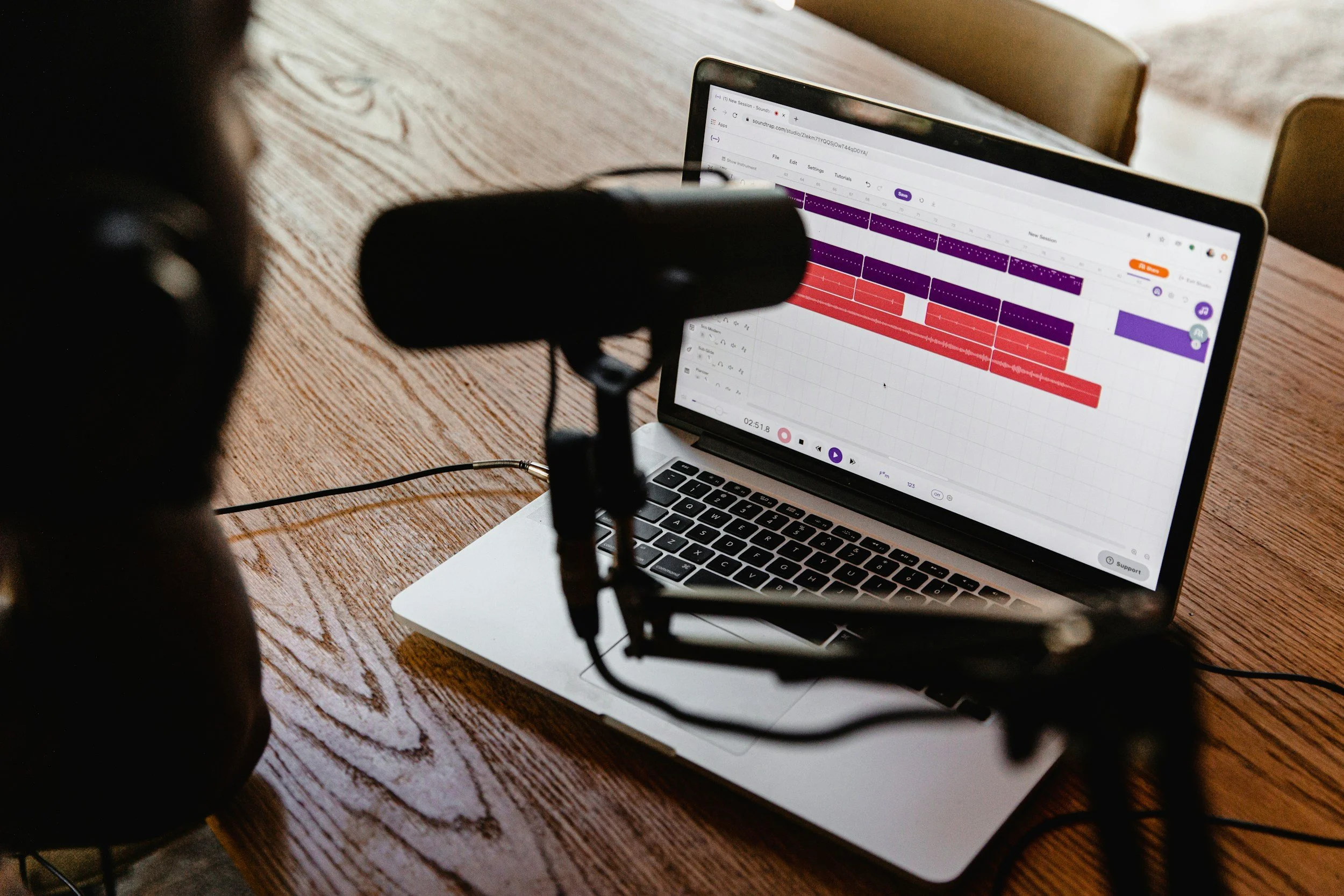
4. Audacity: Best Free Podcast Recording and Editing Software
Audacity is the most widely used free podcast recording and editing software available, and the default starting point for podcasters who want capable tools without any cost. It runs on all major operating systems, handles multitrack recording, and offers a solid range of editing tools, including background noise reduction, sound effects, and audio level management.
As recording software, Audacity records audio directly to your computer and saves audio files in multiple formats. It is not a remote recording app and does not support recording remote calls natively, which means it is best suited to in-person podcast recording or setups where each participant records locally on their own device, and audio files are combined in editing.
The interface is functional but dated, and some advanced features have a steeper learning curve than the more modern recording and editing software options on this list. There are no AI tools, no video recording capability, and no podcast hosting integration. But as a free version of capable recording and editing software, Audacity remains one of the most essential tools in the podcasting process for budget-conscious creators.
Key Features
Completely free with no paid tier
Multitrack recording and multitrack editing
Background noise reduction tools
Wide audio effects library via plugins
Available on all major operating systems
Exports to multiple audio file formats
No remote recording, video recording, or AI tools
Best For: Podcasters who need free recording and editing software to learn on before investing in a paid platform.
5. GarageBand: Best Free Recording App for Mac Users
GarageBand is Apple's free recording and editing software for Mac users and one of the most accessible podcast recording apps available at any price point. Its clean, intuitive interface makes it genuinely easy to start recording podcasts on day one without prior audio engineering experience.
GarageBand handles multitrack recording well, lets you add background music and sound effects, manages audio clips easily, and exports audio files in formats compatible with major podcast directories and podcast hosting platforms. Its music production tools and theme music library are a bonus for podcasters who want a more produced sound without sourcing music separately.
As with Audacity, GarageBand does not support remote recording natively and has no AI tools or video recording capability. It is a Mac-only recording app with no Windows or Linux support. For Mac users starting out on their podcasting journey who want a polished, free recording and editing experience, it is the best software in that specific category.
Key Features
Free for all Mac users
Clean, beginner-friendly, intuitive interface
Multitrack recording and audio clips management
Music production tools and podcast music library
Sound effects and background music support
Direct upgrade path to Logic Pro
Mac only, no remote recording or AI tools
Best For: Mac users who want the best free podcast recording app with a clear upgrade path to professional software.
6. Adobe Audition: Best Professional Digital Audio Workstation
Adobe Audition is the most powerful recording and editing software on this list and the choice of professional audio engineers and radio producers who need maximum control over every aspect of their audio. It is a full digital audio workstation with advanced tools for multitrack recording, noise reduction, audio restoration, and audio production at a broadcast standard.
For the best podcast recording at a professional level, Adobe Audition delivers capabilities that no other podcast recording software on this list can match. Its noise reduction tools are among the best available in any recording and editing software, and its integration with Adobe Premiere Pro makes it the strongest option for podcasters producing video podcasts at a professional standard.
The steep learning curve and Adobe Creative Cloud subscription cost are the significant trade-offs. Adobe Audition is more than most podcasters need, and the investment in learning it is only justified if your podcast production demands genuinely professional-grade audio engineering. For everyone else, Descript or Riverside will deliver better results relative to the effort invested.
Key Features
Professional multitrack recording and audio engineering
Advanced noise reduction and audio restoration tools
Full suite of audio effects and processing
Deep Adobe Creative Cloud integration
Batch processing for multiple audio files
Steep learning curve and subscription cost
Requires Adobe Creative Cloud subscription
Best For: Professional audio engineers and advanced podcast editors who need the most powerful recording and editing software available.
7. Zencastr: Best All-in-One Podcast Recording and Hosting Platform
Zencastr is a browser-based podcast recording app that combines remote recording with podcast hosting and distribution in a single platform. For podcasters who want to manage recording podcasts, editing, hosting, and publishing without stitching together multiple tools, Zencastr offers one of the more complete all-in-one workflows available.
As recording software, Zencastr records each participant locally and captures separate tracks, which gives it the audio fidelity advantages of local recording without the reliability risks of cloud-only capture. Guests join through a browser link with no software installation, and the recording app handles the technical side automatically so you can focus on the conversation.
Zencastr's podcast hosting platform connects recording directly to distribution, which means your audio files move from recording to published episode on major podcast directories with minimal manual steps. Podcast analytics are included, giving you listener data alongside your production tools in the same dashboard. The editing tools are more limited than standalone editing software, but for podcasters who value a streamlined end-to-end workflow, that trade-off is often worthwhile.
Key Features
Local recording with separate tracks per participant
Browser-based with no software installation for guests
Built-in podcast hosting platform and distribution
Podcast analytics and listener data
Direct publishing to major podcast directories
Free plan available with limited recording hours
Best For: Podcasters who want recording, podcast hosting, and distribution managed in a single platform with podcast analytics included.
8. Alitu: Best for Automated Podcast Production
Alitu is the most beginner-friendly podcast recording app on this list and the one that requires the least technical knowledge to produce a listenable, professional result. It combines recording, automated audio processing, editing, and podcast hosting in a single browser-based platform designed specifically for podcasters who want to spend as little time as possible on the technical side of podcast production.
When you record or upload audio, Alitu automatically cleans the audio, adjusts levels, reduces background noise, and applies processing that brings it close to professional sound without any manual intervention. You can add theme music, build episode intros and outros from Alitu's music library, and publish directly to major podcast directories and podcast hosting platforms from within the same interface.
Alitu supports remote calls and guest recording, multiple users on the same session, and mobile apps for recording on the go. The podcasting tools it offers are intentionally limited compared to advanced tools like Descript or Adobe Audition, but that simplicity is the point. For podcasters who want to hit record and have the software handle as much of the rest as possible, Alitu is the most automated podcast recording software on this list.
Key Features
Fully automated audio processing on upload or recording
Remote recording with guest support
Built-in podcast hosting platform and distribution
Music library with theme music and background music
Mobile apps for iOS and Android recording
Direct publishing to major podcast directories
Limited manual editing control compared to advanced tools
Best For: Beginners who want an automated podcast production workflow with recording, hosting, and publishing handled in one place.
How to Choose the Best Podcast Recording Software for You
The best podcast recording software depends entirely on how you record, who you record with, and what you need the software to handle beyond the recording itself.
If remote recording quality is your top priority, Riverside.fm is the best software for that specific job. Its local recording approach, separate tracks, and progressive uploads make it the most reliable option for podcast recording with remote guests.
If you want recording and editing software in a single platform and produce video podcasts alongside your audio show, Descript is the strongest all-in-one choice. Its AI-powered editing tools and text-based editing approach make the entire podcasting process faster from start to finish.
If you need podcast hosting and podcast analytics alongside recording in one place, Zencastr or Alitu offer the most integrated end-to-end workflows. Alitu is the better choice for complete beginners. Zencastr offers more control for podcasters who are past the starting stages.
If professional-grade audio engineering is the requirement and you already have audio engineering experience, Adobe Audition remains the most powerful recording and editing software available for podcast production at that level.
And if cost is the primary concern and you are just starting out, Audacity and GarageBand are the best free tools available, with GarageBand being the better experience for Mac users and Audacity covering all major operating systems.
Grow Faster. Create Smarter.
Red 11 Media is an educational platform and creative studio focused on driving growth online through strategic content creation. We help creators, brands, and businesses understand how to build sustainable audiences across YouTube, podcasting, and long-form digital content.
Final Thoughts
The best podcast recording software in 2026 is not a single tool. It is the one that fits the way you work, the guests you record with, and the production quality you are aiming for.
Every platform on this list is genuinely good at what it was built for. The mistake is choosing a tool that solves a problem you do not have while creating friction around the one you do.
Start with the free plan or free version of whichever option fits your situation best, run a real podcast episode through it, and let the experience make the decision. The right podcast software should make recording podcasts feel easier, not harder.
Frequently Asked Questions
-
For beginners, Alitu is the most automated option and requires the least technical knowledge to produce a professional sounding result. Descript is the strongest choice if you want recording and editing software in a single platform with an accessible workflow. If cost is the main concern, Audacity is the best free option across all major operating systems, and GarageBand is the better free starting point for Mac users. All four have either a free plan or a free version that lets you test the platform before committing to a paid subscription.
-
Riverside.fm is the best podcast recording software for remote interviews. It records each participant locally on their own device, captures separate audio and video tracks, and uses progressive uploads to protect recordings throughout the session. The result is significantly better audio fidelity than cloud-based recording tools like Zoom, regardless of each guest's internet connection quality. Squadcast is a strong alternative for audio-only podcasters who want a direct integration with Descript for editing after recording.
-
Not necessarily. Descript handles both recording and editing in a single platform, covering everything from remote guest recording through to transcript-based editing, filler word removal, and video podcast production. Alitu and Zencastr also combine recording with podcast hosting and distribution in one place. If you record with Riverside or Squadcast, you will need a separate editing platform like Descript or Adobe Audition for post production. Many professional podcasters pair Riverside for recording with Descript for editing to get the best of both platforms.
-
in many cases. Audacity is completely free and has been used to produce professional quality podcasts for over two decades. GarageBand is free for Mac users and produces clean, broadcast-ready audio with the right recording setup. The quality of your microphone and recording environment has a far bigger impact on how your podcast sounds than whether you are using free or paid recording software. That said, paid platforms like Riverside and Descript offer features that free tools cannot match, particularly for remote recording quality, AI-powered editing, and video podcast production.
-
Zencastr and Alitu both include podcast hosting alongside recording in a single platform. Zencastr also provides podcast analytics and direct publishing to major podcast directories, making it one of the most complete all-in-one options on this list. Descript integrates with major podcast hosting platforms and allows you to publish directly from the editing interface. Riverside, Audacity, GarageBand, Squadcast, and Adobe Audition do not include podcast hosting and require a separate podcast hosting platform for distribution.
-
Yes, and several platforms on this list make this straightforward. Riverside.fm records high-quality video at up to 4K alongside audio, with separate video and audio tracks per participant, which gives you everything you need to produce both a video podcast and an audio podcast from a single recording session. Descript records video and audio together and lets you edit both in the same platform before exporting in the formats you need. For podcasters producing content for YouTube alongside their audio show, recording both simultaneously in a single session is the most efficient approach.

Red 11 Media is an educational platform and creative studio focused on driving growth online through strategic content creation. We help creators, brands, and businesses understand how to build sustainable audiences across YouTube, podcasting, and long-form digital content.