Recording a video podcast for YouTube requires a camera (smartphone or webcam works), a quality USB microphone, good lighting, and recording software like Riverside or Descript.
YouTube has become essential for podcast discovery, acting as the world's second-largest search engine where listeners find shows through topic searches. Set up a dedicated podcast playlist in YouTube Studio, optimise episode titles for search, and add captions to maximise visibility. Consistency and clear audio matter more than expensive equipment.
YouTube has become one of the most powerful platforms for podcast discovery. Listeners who would never think to search Apple Podcasts will find your show through a YouTube search, watch a full episode, subscribe to your channel, and become long-term audience members.
For anyone looking to start a podcast or grow an existing one, publishing a video podcast on YouTube is no longer optional. It is one of the smartest things you can do.
This guide covers everything you need to know about video podcast recording for YouTube, from the gear and software that will serve you best to how to upload, organize, and create a presence that keeps your audience coming back for new episodes.

Table of Contents
Why YouTube Is Essential for Video Podcasters
A podcast on YouTube is not just a backup channel. It is a discovery engine. YouTube is the second largest search engine in the world, and new listeners find shows there every day by searching topics rather than podcast titles.
An audio podcast buried in a crowded directory competes differently to a video podcast that appears in search results, shows up in recommendations, and gives a potential audience member something to watch before they decide whether to subscribe.
There is also a watch time advantage. YouTube rewards videos that keep viewers engaged for longer, and full podcast episodes naturally perform well on that metric.
A forty-five minute conversation with genuine value gives your audience a reason to watch, which signals to YouTube that your content is worth recommending to more people. Over multiple seasons, that compounds significantly.
Publishing your podcast on YouTube also gives you video and audio files in one production run. You create your episode once and distribute it across YouTube, Apple Podcasts, Spotify, and other platforms without duplicating your workload.
For most creators, that alone justifies the investment in video podcast recording.
What You Need to Record a Video Podcast
You do not need a professional recording studio or expensive broadcast gear to produce a video podcast worth watching. The basics are more accessible than most people expect, and small improvements in the right areas make a significant difference to how your show is perceived.
Camera
Modern smartphones shoot in high-quality video that is more than sufficient for YouTube. If you already own a recent iPhone or Android device, a phone mount that positions it at eye level is a low-cost way to start.
As your channel grows, a dedicated webcam or mirrorless camera connected via a capture card will give you more control over depth of field, color, and overall video quality. For most new video podcasters, though, your phone is the best bet for getting started without overthinking the technical aspects.
Microphone
Sound quality matters more to YouTube audiences than video quality. Viewers will watch slightly soft video without complaint, but they will click away from poor audio within seconds.
A dedicated USB microphone is the biggest single upgrade you can make to your podcast episode quality.
The best podcast microphones for YouTube setups are those that reject background noise well and sit close to your mouth, either on a desktop arm or a short stand in front of you.
If you record with a co-host or multiple guests in person, a podcast mixer lets you connect multiple microphones to a single computer and manage levels independently.
For solo recording or remote sessions, a single USB microphone into your computer is all you need to hit record with confidence.
Lighting
Good lighting transforms how your video content looks on screen. Natural light from a window facing you is the simplest and most flattering option, and it costs nothing.
Position yourself so the light source is in front of you rather than behind you, which would silhouette your face.
If you record in the evening or in a room without good natural light, a ring light positioned at face height gives you clean, even lighting that cameras respond well to. It is a small piece of gear that makes a noticeable difference.
Recording Software
Your recording software ties everything together. For video podcasters, the right software captures separate audio files for each participant, records high-quality video, and makes the post-production process as straightforward as possible.
Riverside and Descript are the two platforms most worth considering, and both are covered in more detail in the sections below.
How to Record a Video Podcast In Person
Recording in person gives you the most control over your audio and video setup.
When everyone is in the same room, you can position microphones precisely, manage background noise more easily, and use body language and natural chemistry that comes through on camera in a way that remote recording cannot fully replicate.
Set your camera up at eye-level, slightly in front of you. Eye-level framing looks natural and professional, and it means your audience sees you looking into the lens rather than up or down at a screen.
Position your podcast microphones close to each speaker's mouth, ideally on separate arms so each person has their own, and connect them to your computer via a podcast mixer or audio interface.
Record separate audio files for each microphone rather than a single mixed track. This gives you the ability to edit, clean, and level each voice independently in post-production.
If one person's audio has background noise or a level issue, you can fix it without affecting anyone else on the episode.
If your setup allows it, capture B-roll footage alongside your main recording. Short clips of your gear, your environment, or relevant visuals give you something to cut to during editing and add production value that keeps watch time high on YouTube.
Once you hit record, let the session run without interruption. It is much easier to edit out pauses and remove filler words in post-production than to restart a recording that has lost its momentum.

How to Record a Video Podcast Remotely
Most video podcasters record remotely at least some of the time. Guests are rarely in the same city, and recording remotely opens your show to conversations you simply could not have if geography was a limiting factor.
The key is choosing the right software and establishing a setup process that gives everyone the best chance of producing clean audio and video from wherever they are.
Riverside for Remote Video Podcast Recording
Riverside is the strongest platform available for recording remotely with video. Each participant records their audio and video locally on their own computer, which means the files are captured at full quality regardless of what happens to the internet connection during the session.
Even if someone's connection drops mid-episode, the recording continues on their device and uploads automatically once they reconnect.
Riverside captures separate audio files and separate video files for every participant, giving you a clean multitrack recording to work with in editing.
Video goes up to 4K, and the platform supports multiple aspect ratios so you can export versions optimised for YouTube as well as shorter clips for social media platforms from the same recording.
Inviting a guest is straightforward. You send them a link, they click it, and they join the session in their browser without needing to create an account or download any software.
For podcast interviews with guests who are not technically confident, this removes a significant source of friction before you even hit record.
Descript for Recording and Editing in One Place
Descript records your video podcast remotely and then lets you edit the entire episode without leaving the platform. After recording, it automatically generates a transcript and you edit the video by editing the text.
Remove a sentence from the transcript and it is removed from the video and audio files simultaneously. For video podcasters who find traditional video editing software intimidating, this approach makes post production feel manageable from the first episode.
Descript also handles filler words well. It identifies every instance across all speakers and lets you remove filler words in bulk, which on a long podcast episode saves a significant amount of editing time.
Combined with automatic transcription and the ability to add subtitles directly to your video files before you upload to YouTube, it covers a lot of the post production workflow that would otherwise require separate tools.
Both platforms record video locally and produce separate audio and video files per participant. For most video podcasters recording remotely, the choice between them comes down to whether you want to edit inside the same software you record in or prefer to take your files into a dedicated video editor like Adobe Premiere Pro after capture.
How to Set Up Your YouTube Channel for Podcasting
Getting your YouTube channel set up correctly from the start saves a lot of reorganization later and helps new listeners find your content more easily through search.
Create a Dedicated Podcast Playlist
YouTube treats playlists as a distinct content format for podcasts through its podcast on YouTube feature, which gives your show a dedicated watch page and makes it easier for listeners to find your full back catalogue.
To access this, go to YouTube Studio, navigate to Content, and select the Playlists tab. From there, you can create a new podcast playlist and designate it as a podcast rather than a standard existing playlist.
Once your podcast playlist is created, every new episode you upload should be added to it immediately.
YouTube uses the playlist to understand what your channel is about, which affects how it recommends your content to new listeners. Adding episodes to the wrong playlist or forgetting to add them at all is a common mistake that limits organic reach.
Optimize Your Podcast Title and Episode Titles
Your podcast title and individual episode titles are the first things YouTube uses to understand what your content is about.
Each podcast title should clearly describe the topic of that episode and include terms your target audience would realistically search for. Vague titles like "Episode 14" or "Conversation with a Guest" tell YouTube and your audience very little.
Descriptive titles like “How We Grew Our YouTube Channel to 100k Without Paid Ads” give the algorithm and a potential viewer something concrete to work with.
YouTube also automatically generates transcripts for videos, which means every word spoken in your podcast episode becomes searchable text.
This is a significant advantage for podcasts over other video formats, because a forty-minute conversation naturally contains far more searchable content than a three-minute explainer video.
Use this to your advantage by speaking naturally and specifically about your topic rather than staying vague.
Uploading and Organizing Your Episodes
Once your episode is edited and your video files are ready, uploading to YouTube takes only a few minutes if you have a clear process in place.
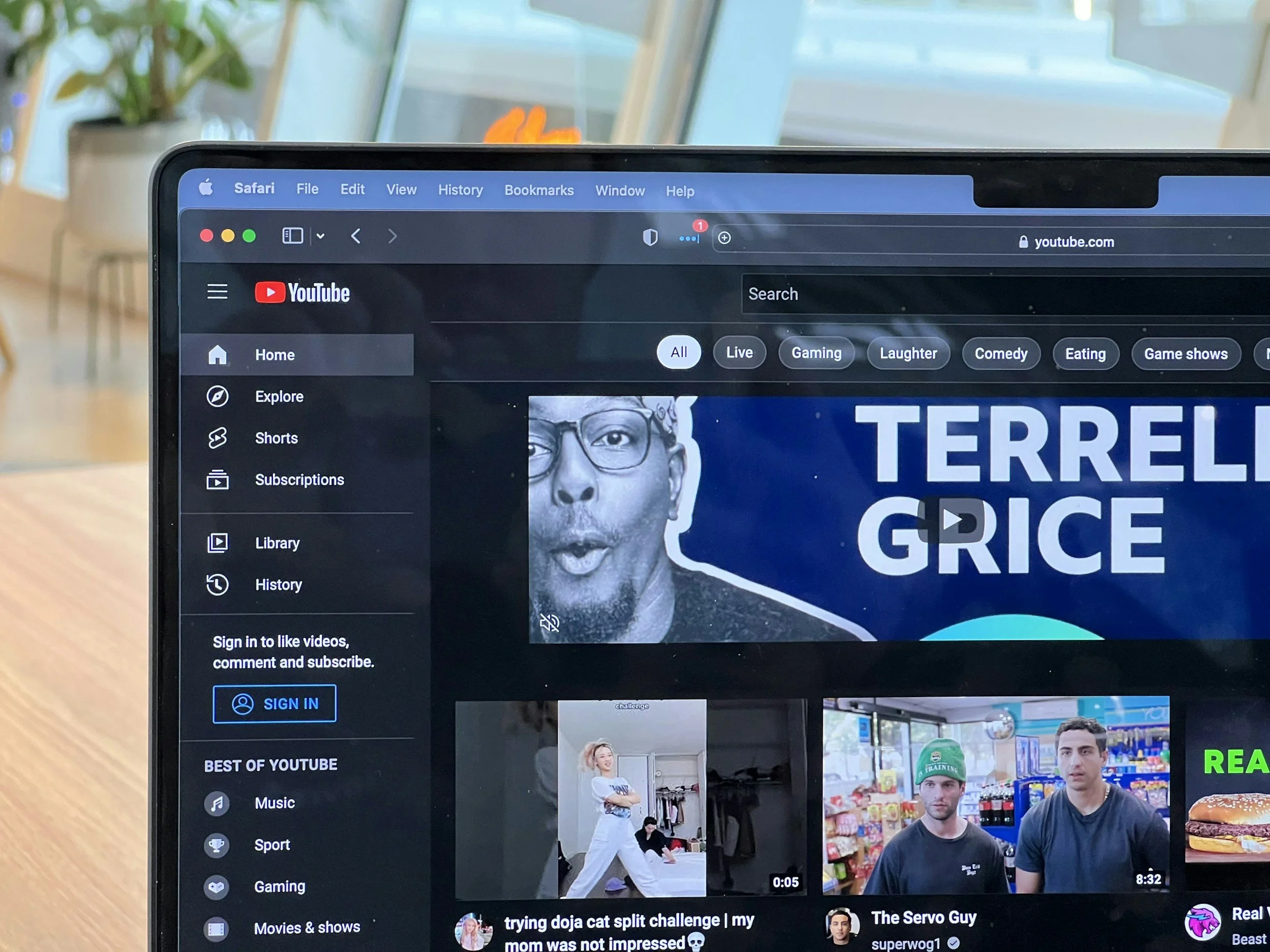
Open YouTube Studio and select Create then Upload Videos. Choose your video file, add your episode title, write a description that summarises the conversation and includes relevant search terms, and add a thumbnail that reflects the episode content clearly.
Set your video format to the correct aspect ratio for YouTube, which is 16:9 for standard uploads, and check that your audio podcast file is ready to upload to your audio distribution platform at the same time.
Add the episode to your podcast playlist before you publish. This is easy to overlook when you are focused on getting new videos live, but it is one of the most important steps for keeping your channel organised and searchable.
Audiences who discover one episode and want to watch more should be able to find your full back catalogue immediately, rather than having to search for it.
Consider adding end cards to your video that direct viewers to subscribe and watch another episode.
YouTube rewards channels that keep viewers on the platform, and guiding your audience from one episode to the next increases watch time across your channel, which helps YouTube recommend your new episodes to a wider audience over time.
If you are producing multiple seasons or have distinct topic categories within your podcast, create separate playlists for each. A well-organized channel makes it easier for listeners to find the episodes most relevant to them and signals to YouTube that your channel has depth and structure.
Grow Faster. Create Smarter.
Red 11 Media is an educational platform and creative studio focused on driving growth online through strategic content creation. We help creators, brands, and businesses understand how to build sustainable audiences across YouTube, podcasting, and long-form digital content.
Final Thoughts
Recording a video podcast for YouTube does not require a broadcasting background or a complex gear setup. It requires a clear process, the right software, and consistency.
The creators who build a meaningful audience on YouTube are rarely the ones with the most expensive cameras. They are the ones who show up with good audio, valuable conversations, and a channel that is easy to navigate and subscribe to.
Start with what you have, improve one thing at a time, and focus on creating podcast episodes that your audience genuinely wants to watch and share. YouTube will do the rest.
-
Not at all. A recent smartphone on a phone mount, a USB microphone, and natural light from a window in front of you is enough to produce a video podcast that looks and sounds great on YouTube. Most new video podcasters are surprised by how good their first episode looks with a simple setup. As your channel grows and your audience builds, you can invest in additional gear like a ring light or a dedicated camera. Start with what you have and improve one piece at a time.
-
Riverside and Descript are the two strongest options for video podcast recording. Riverside records each participant locally, captures separate audio and video files per speaker, and supports up to 4K video, making it ideal if recording quality and reliability are your priority. Descript is the better choice if you want to record and edit your podcast episodes in the same platform, with AI tools that automatically remove filler words, generate transcripts, and add subtitles before you upload to YouTube.
-
Start by creating a dedicated playlist in YouTube Studio and designating it as a podcast rather than a standard playlist. This gives your show its own watch page and makes it easier for new listeners to find your full back catalogue. Upload each new episode with a descriptive podcast title that includes terms your audience would search for, write a detailed description, and add the episode to your podcast playlist before publishing. Consistency with this process from your first episode makes your channel significantly easier to grow.
-
Both approaches work well, and the right choice depends on your format and guests. Recording in person gives you more control over sound quality, lighting, and the natural energy that comes from being in the same room. Recording remotely opens your show to guests anywhere in the world and removes the logistical challenge of coordinating a physical location. Many video podcasters record in person with a regular co host and remotely for guest interviews, using a platform like Riverside to keep remote audio and video quality consistent.
-
YouTube indexes every word spoken in your podcast episode through automatically generated transcripts, which means your full conversation becomes searchable text. Use descriptive episode titles that reflect what your audience would actually search for, write detailed descriptions for each upload, and add your episodes to a dedicated podcast playlist. Publishing new episodes consistently and keeping viewers engaged through to the end of each episode also signals to YouTube that your content is worth recommending, which increases your visibility over time.

Red 11 Media is an educational platform and creative studio focused on driving growth online through strategic content creation. We help creators, brands, and businesses understand how to build sustainable audiences across YouTube, podcasting, and long-form digital content.