What Goes Into a Professional Podcast Production Workflow?
A professional podcast production workflow is a structured, repeatable system covering strategy, pre-production, recording, editing, post-production assets, distribution, and content repurposing. It starts with clear positioning and audience definition, then moves through guest management, high-quality recording, systematic editing, show notes creation, and multi-platform publishing.
Strong workflows incorporate batch recording, batch processing, and built-in repurposing to extend each episode's reach across social media, blogs, and short-form video content.
Most podcasters think the process is simple. You start recording, clean it up, upload it, and move on to the next episode.
But a true podcast production workflow is much more intentional than that.
Behind every consistent, high-performing podcast is a structured system that manages planning, recording, editing, publishing, marketing, and optimization. Without that structure, podcasting quickly becomes chaotic. Episodes get delayed. Quality fluctuates. Marketing feels rushed. Momentum stalls.
A professional podcast production workflow isn’t just about producing content. It’s about building a repeatable, scalable process that supports long-term growth.
Let’s walk through what that actually looks like.
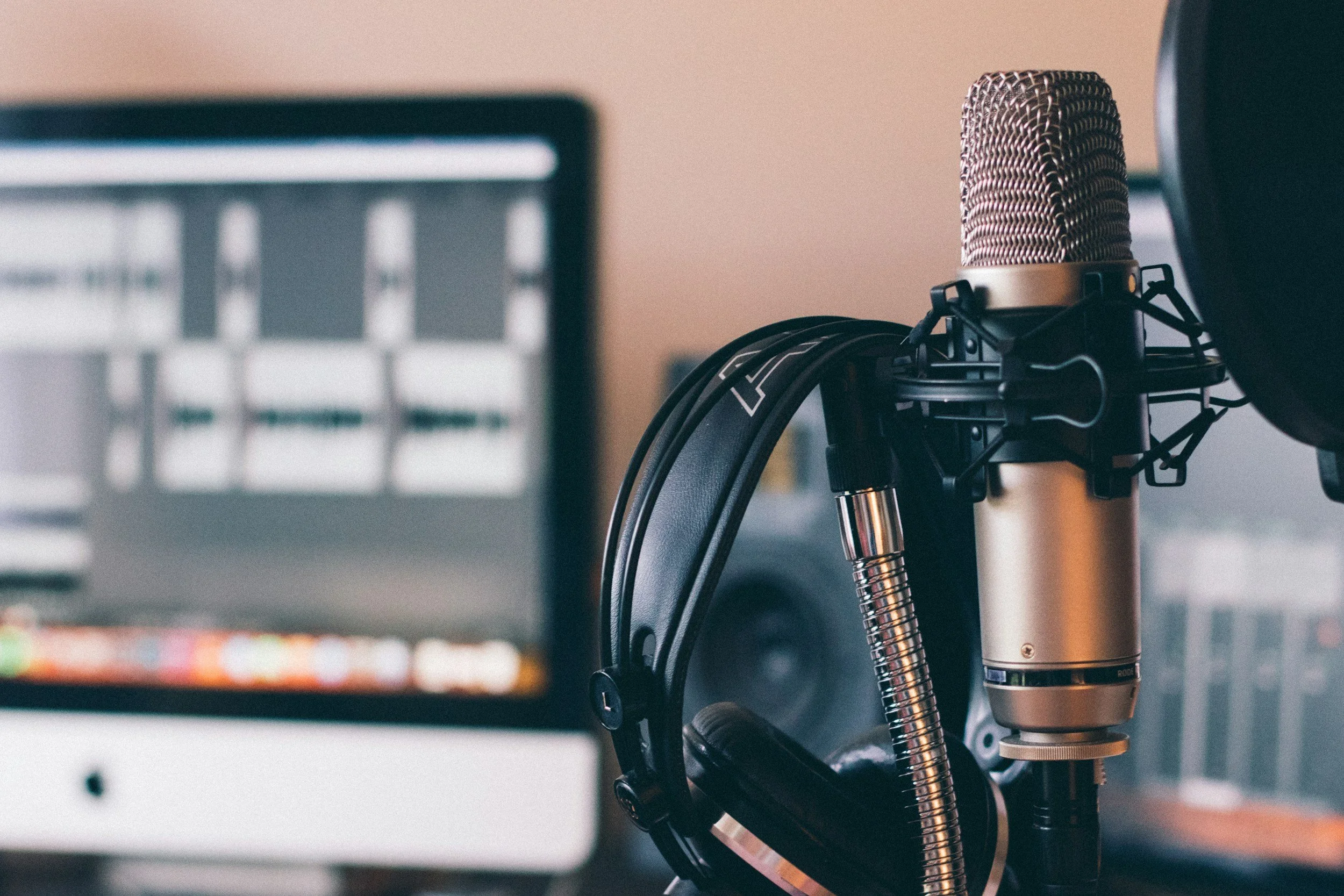
Table of Contents
Strategy Comes First
Before a single microphone is turned on, a professional podcast workflow begins with clarity. Every podcast production process should start with a clear understanding of your business goals, your target audience, and the key topics your show will cover.
Many podcasters skip this step because they’re feeling inspired and eager to start production. But podcasting without structure often leads to inconsistency. Episodes feel disconnected. Messaging drifts. Growth becomes unpredictable.
A strong podcast production workflow starts by defining your positioning. Who is the podcast for? What transformation or value does it provide? How does it support your broader marketing strategy?
When you establish this foundation early, every future podcast episode becomes easier to plan.
Pre-Production and Guest Management
Pre-production is where the podcast workflow begins to take shape.
If your show includes interviews, guest management becomes central to the entire workflow. Outreach, onboarding, scheduling, and preparation all need structure. Using a scheduling tool prevents endless back-and-forth emails and creates a smoother recording day experience.
Professional podcast production treats guests as collaborators. Clear prep documents, aligned expectations, and efficient communication ensure that the recording session is productive rather than reactive.
Without a defined system, many podcasters waste time coordinating logistics instead of focusing on engaging content.
Recording: Capture It Right the First Time
Recording is where many podcasters underestimate the importance of the process.
High-quality audio should always be the priority. Better audio at the source reduces hours spent trying to edit audio later. Monitoring levels, paying attention to background noise, and doing a quick double check before you start recording can save frustration.
If you record remotely, tools like Riverside.fm allow you to capture high-quality audio and video locally on each participant’s device. That means you’re not relying on compressed internet audio. For podcasters producing audio and video versions of their show, this makes a huge difference in quality and flexibility during editing.
Whether you’re a solo podcaster or hosting interviews, your recording process should be structured and repeatable. Hit record with intention, not improvisation.

Editing: Where Structure Saves You
Editing is often the most time-consuming part of the podcast production workflow. For many podcasters, it feels like a full-time job.
The editing process includes filler word removal, leveling the audio track, adding intro music, inserting sound effects, and tightening pacing. This is where the episode becomes polished and professional.
Using robust editing software like Adobe Premiere Pro or Adobe Audition allows you to manage audio, add consistency, and streamline post-production. When editing is systemized, you can batch processing multiple episodes in a single session to save time.
Without an efficient process, editing becomes reactive and exhausting. With structure, it becomes manageable and predictable.
Post Production Assets and Visibility
Professional podcast production does not stop at exporting the final file.
The post production process includes writing detailed show notes, creating an episode transcript, designing episode artwork, and preparing social media posts. These assets extend the life of each podcast episode beyond a single listen.
An episode transcript improves discoverability on your website and makes your content accessible. Show notes should highlight key topics and provide actionable strategies rather than simply summarizing.
Many podcasters overlook this stage, but it’s where content repurposing happens. A single episode can become a blog post, multiple social posts, and quote graphics for social media.
This is how a podcast production workflow supports long-term visibility.
Publishing and Distribution
Once assets are ready, the publishing stage begins.
Uploading your new episode to your media host, scheduling the release, and distributing to platforms like Apple Podcasts should follow a consistent workflow every time. Your scheduling tool may also help automate announcements and promotional materials.
Every episode should move through the same process to avoid errors and missed opportunities.
Consistency here builds trust with podcast listeners and supports steady growth.
Why Workflow Matters More Than Motivation
Most podcasters begin with enthusiasm. Many podcasters fade because they lack a system.
A professional podcast production workflow creates structure around creativity. It ensures that even during busy weeks, production continues. It allows you to save time, reduce stress, and focus on quality instead of scrambling to meet deadlines.
When your workflow is documented and repeatable, podcasting becomes sustainable.
Building a Podcast Workflow That Scales
One of the biggest mistakes many podcasters make is building a podcast workflow that only works when motivation is high.
In the early stages of a podcasting journey, it’s easy to rely on energy and excitement. But as life gets busy, production responsibilities stack up. Recording takes longer than expected. Editing stretches late into the evening. Marketing feels rushed.
A scalable podcast production workflow removes emotional dependency. Instead of asking, “Do I feel like recording today?” the system answers, “This is what happens on recording day.”
The difference between hobby podcasting and professional podcast production is not talent, it’s structure.
When your workflow is documented and intentional, every stage of podcast production becomes predictable. You know how long planning takes. You know how long editing requires. You know when social media posts go live. You know when to upload and when to promote.
That predictability creates momentum.

Batch Recording and Batch Processing
Many podcasters operate episode to episode, reacting each week rather than planning ahead. A professional podcast workflow often incorporates batch recording and batch processing.
Instead of recording one episode every single week, you might record three episodes in a single session. That approach protects your schedule and allows flexibility.
Batch processing applies to editing as well. Editing multiple episodes in one focused block can save time because your mindset stays in production mode. The editing process becomes more efficient when you’re not constantly switching contexts.
This type of workflow structure is especially helpful for podcasters balancing production with a full time job. Without batching, podcasting can quickly feel overwhelming.
The Role of Content Repurposing in the Entire Workflow
A professional podcast production workflow doesn’t treat an episode as a single asset. It treats it as a content engine.
One podcast episode can generate:
A blog post on your website
Multiple social media posts
Short clips for YouTube
Quote graphics
Email newsletter content
A downloadable resource
This is where content repurposing becomes strategic.
When you think about the entire workflow, repurposing isn’t extra work. It’s built into the process. During recording, you may intentionally highlight key topics that can become social posts. During editing, you might mark strong sound bites for short clips.
This layered approach ensures that your podcast production supports broader visibility across social media and your website.
Without repurposing, many podcasters leave value on the table.
Behind the Scenes: What Listeners Don’t See
From the outside, podcasting looks simple. Listeners press play and hear a polished conversation.
Behind the scenes, the podcast workflow includes:
Guest coordination
File management
Audio cleanup
Editing
Writing show notes
Creating episode transcripts
Designing artwork
Uploading to the media host
Publishing across platforms
Each episode moves through multiple stages before it ever reaches podcast listeners.
The better your workflow, the smoother those transitions become. Instead of scrambling at the last minute, your production process becomes calm and controlled.
Final Thoughts
A professional podcast production workflow isn’t about complexity. It’s about clarity.
From planning and guest management to recording, editing, post-production, and distribution, every stage should connect seamlessly. When the entire workflow is aligned with your business goals and audience expectations, podcasting becomes a strategic asset rather than a creative burden.
Build the workflow first. The growth follows.
Frequently Asked Questions
-
A podcast production workflow is a structured system that outlines every step required to produce, publish, and promote a podcast episode. It typically includes planning, recording, editing, writing show notes, creating transcripts, designing artwork, uploading to a media host, and distributing to platforms like Apple Podcasts. A well-defined podcast workflow ensures consistency, saves time, and supports long-term podcast growth.
-
A structured podcast workflow is important because it removes guesswork and reduces production stress. Without a clear process, podcasting can become inconsistent and overwhelming. A defined workflow helps podcasters stay consistent, maintain audio quality, and align each episode with broader business goals. Over time, a repeatable system improves efficiency and sustainability.
-
The length of a podcast production workflow depends on the format and complexity of the show. For a single episode, planning, recording, editing, and post production can take several hours. Interview-based shows may require additional time for guest management and preparation. Efficient workflows often include batch recording and editing to reduce time spent per episode.
-
A professional podcast workflow often includes recording tools, editing software, scheduling tools, and distribution platforms. For remote interviews, platforms like Riverside.fm help capture high-quality audio and video. Editing software such as Adobe tools supports post production and file management. Scheduling tools help coordinate guests and release dates efficiently.
-
Content repurposing is an essential part of a professional podcast workflow. After a podcast episode is produced, it can be transformed into blog posts, social media posts, quote graphics, and short clips. This approach extends the reach of each episode and supports marketing strategy across multiple platforms. A structured workflow ensures repurposing is planned rather than rushed.
-
A podcaster should refine their workflow when production feels inconsistent, stressful, or unsustainable. If episodes are delayed, editing takes too long, or marketing is inconsistent, the workflow likely needs adjustment. As a podcast grows, adding systems for batch processing, guest management, and content repurposing can create a more efficient and scalable production process.

Red 11 Media is an educational platform and creative studio focused on driving growth online through strategic content creation. We help creators, brands, and businesses understand how to build sustainable audiences across YouTube, podcasting, and long-form digital content.